Science & Math course
The Science of Cooking
Apply principles of chemistry and physics in the kitchen to control flavor, texture, and browning in everyday dishes.
22 lessonsabout 3 hours in allBeginnerFree
Lessons of 5 to 10 minutes, taught by Milo, your AI tutor. In your browser now; phone apps soon.
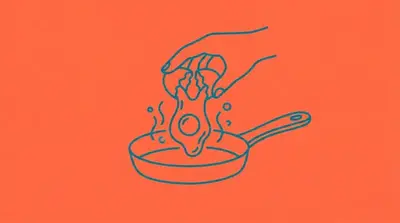
By the end you can
- Explain how acidity, heat, diffusion, and molecular structure change flavor, texture, and appearance in food. You can use these principles to reason about browning, baking, sauces, gels, foams, sugar work, chocolate, and ice cream
- Predict why common ingredients and techniques behave differently and apply that understanding to everyday kitchen decisions
What you'll learn, lesson by lesson
- 1The Molecules on Your PlateName the four main kinds of molecule in food and one ingredient rich in each.
- 2Acidity, pH and FlavourPlace lemon juice, milk and baking soda on the pH scale.
- 3Heat Is Not TemperatureExplain why a pan of oil heats faster than the same amount of water.
- That's a preview. 19 more lessons follow.
Take all 22 lessons free in the Milo app, with Milo teaching each one.
Start this course free - 4Cooking an Egg Exactly Right
- 5How Heat Travels Through a Steak
- 6Browning and Flavour
- 7Melting, Boiling and Evaporating
- 8Cooking in a Water Bath and Boiling at Low Pressure
- 9Elasticity: Why Food Springs Back
- 10Gluten and Dough
- 11Viscosity: What Makes a Sauce Thick
- 12Gels: Turning Liquids into Solids
- 13Diffusion and Liquid-Filled Pearls
- 14Emulsions: Getting Oil and Water to Mix
- 15Foams: Holding Air in Food
- 16Dissolving Sugar
- 17The Stages of Cooked Sugar
- 18Crystals and Where They Start
- 19Tempering Chocolate
- 20Salt, Ice and Homemade Ice Cream
- 21Enzymes in the Kitchen
- 22Baking: Where It All Comes Together
Inside the app
Not a video. A tutor who teaches you.
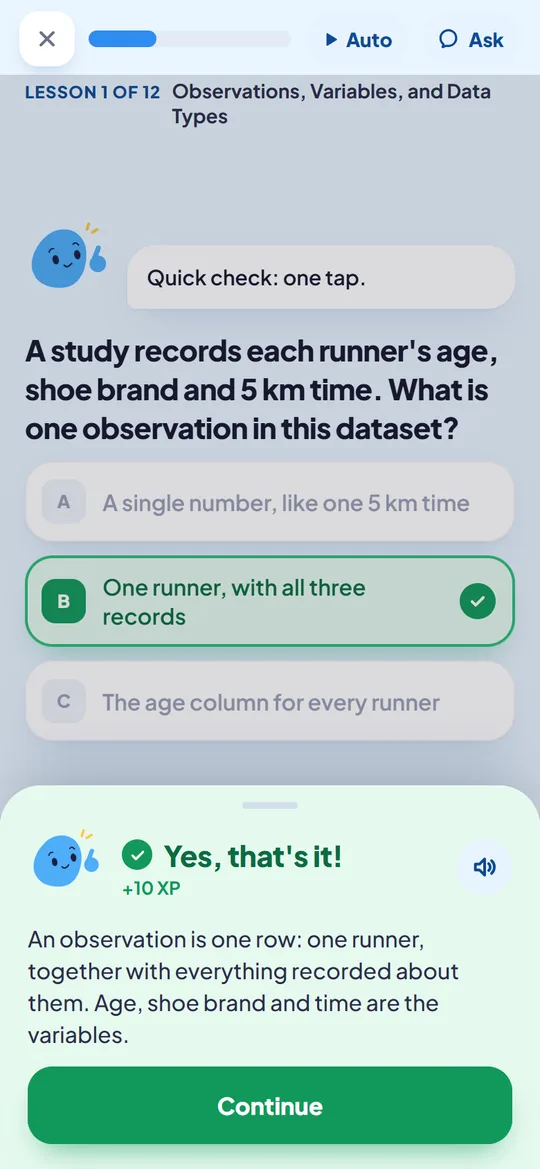
Milo explains each idea of The Science of Cooking out loud and on the blackboard, checks you understood, and coaches you when you slip. Lessons take 5 to 10 minutes.
Start free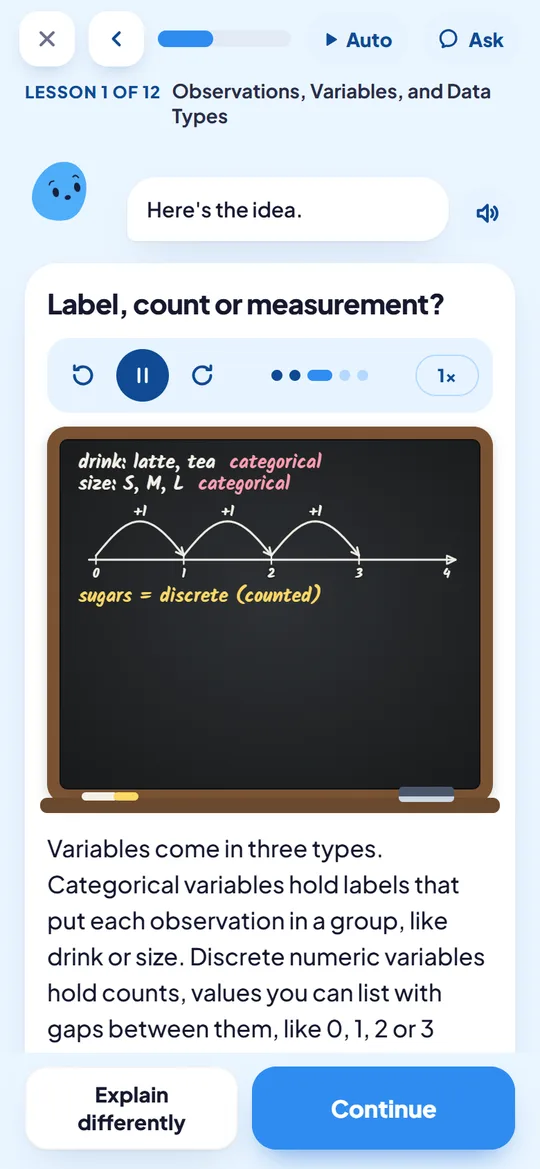
More in Science & Math
See all
Free to learn
This course is free. So is Milo's help planning it.
Every course in Milo's library, your growth plan and Milo's weekly check-ins cost nothing. Members, from $5 a month, also get lessons written just for them.
- Can I really start for free?
- Yes. No card needed.
- Can I cancel a membership any time?
- Yes, from your account. You keep it until the end of the month you paid for.
- Where does it work?
- In any browser on a phone, tablet or computer. Phone apps are on the way.